BCI’s Battery Technology Divisions serve as strategic platforms for innovation, collaboration, and market acceleration within emerging or sub-sector energy storage technologies.

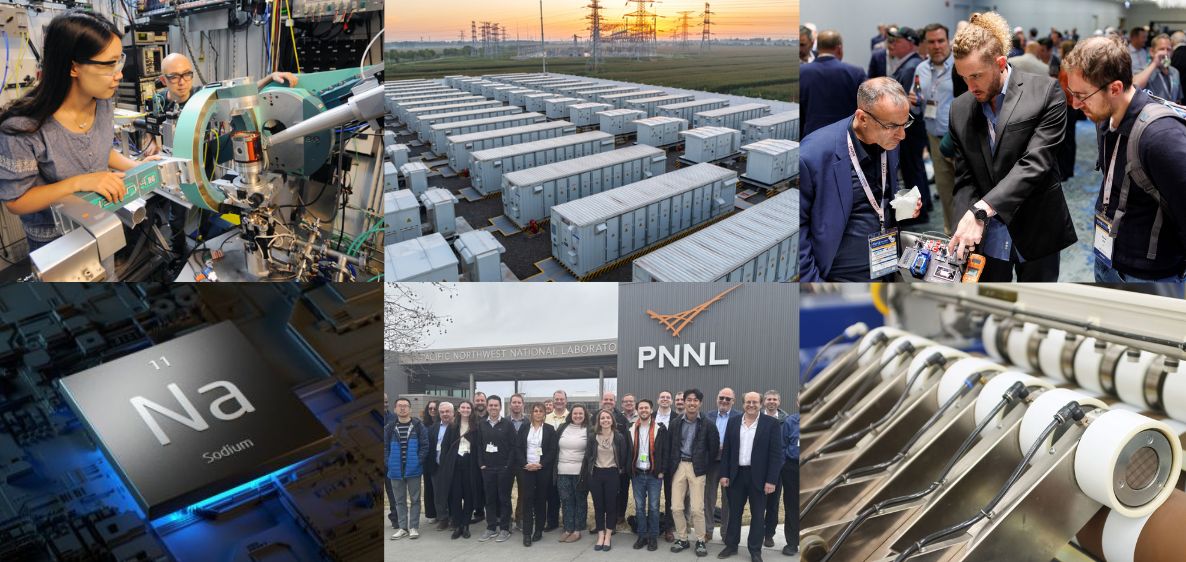
Goals and purpose of BCI Battery Technology Divisions
Founded in 1924, Battery Council International has a long history of driving growth and innovation in energy storage technology. This includes research into new uses and new applications, as well as emerging battery chemistries. BCI’s Battery Technology Divisions directly supports this mission by focusing on the following goals:
- Innovation: Support breakthrough technologies in energy storage by focusing attention on the latest R&D to push forward new batteries, equipment, and applications.
- Commercialization: Guide high-potential concepts from early-stage development through production and adoption at scale to solve modern energy challenges.
- Collaboration: Connect technical experts, industry partners, investors, customers, and public sector stakeholders to build a sense of community and share best practices.
Each Division brings together a focused group of stakeholders to work on a focused set of issues related to a single technology, application, or market segment. Membership is open to BCI-member companies with an established business interest in the subject of technology.
BCI’s 100-year history has proven that the industry must innovate to meet the energy challenges of the future. BCI strongly believes that a specific focus on unique battery technologies that brings together a broad group of stakeholders across the value chain yields the best results for all parties.
For more than a century, BCI has built the association infrastructure to effectively support battery innovation through member forums, cross-sector dialogue, and policy advocacy. As a wide variety of new energy storage technologies and applications emerge, BCI’s Battery Technology Divsions ensure dedicated focus on these ideas with an overarching strategy and expertise that no other organization can match.
Flow Battery Industry Group (FBIG)
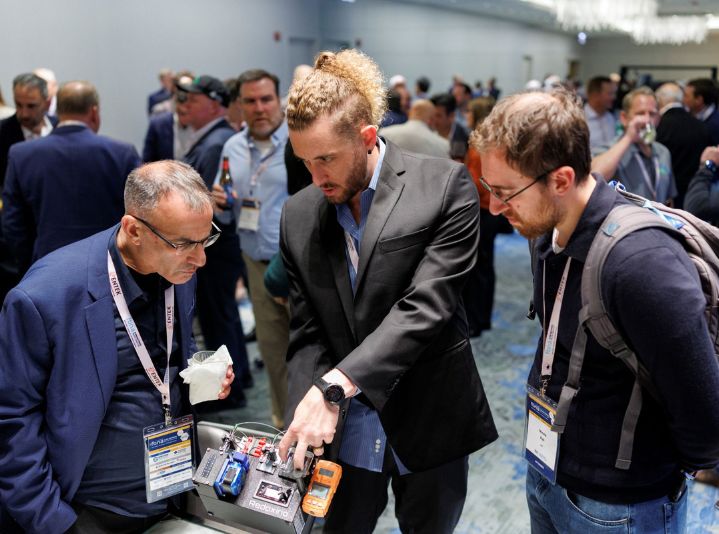
The BCI Flow Battery Industry Group (FBIG) serves as the focal point within Battery Council International for flow battery technology, policy, manufacturing, and market development. As the energy storage landscape evolves and demand for grid scale storage grows, flow battery manufacturers and suppliers are playing an increasingly important role in the North American battery supply chain.
Through FBIG, BCI provides flow battery industry stakeholders with a dedicated forum to monitor and respond to North American manufacturing and market opportunities, foster supply chain growth, advance safety protocols and best practices, and develop the standardized test specifications, component definitions, and consensus terminology that this maturing industry requires.
Separator Manufacturer Industry Group (SMIG)
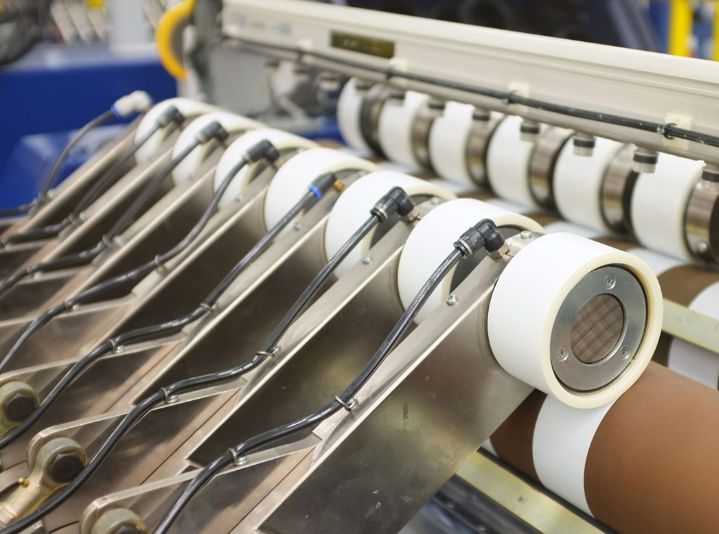
The BCI Separator Manufacturer Industry Group (SMIG) is a dedicated workstream supporting the innovation, policy priorities, and manufacturing needs of battery separator suppliers. These manufacturers produce a critical component of virtually every battery chemistry, including lead, flow, sodium, and lithium. They are essential to U.S. battery supply chains.
Separator design and material quality directly influence a battery’s energy density, cycle life, thermal stability, and safety performance. Through SMIG, BCI provides separator manufacturers with a forum to discuss technology development, engage on legislative and regulatory matters, and amplify the industry’s voice on issues affecting domestic manufacturing and market competitiveness across the full spectrum of battery chemistries.
Sodium Battery Industry Group (SBIG)
The BCI Sodium Battery Industry Group (SBIG) is responsible for a broad scope of activities related to sodium-ion battery technology including, among others, testing, safety, statistics, and market development. It acts as a focal point for the application and commercialization of sodium batteries in North America. Chaired by Shawn Peng, CEO of QuantumShield Technologies, the SBIG was formed in 2026 to foster innovation, commercialization, and collaboration in this fast-growing chemistry.
As a primary driver for the industry, the SBIG monitors North American manufacturing trends to keep members informed of emerging demands and opportunities.
The group’s mandate includes executing strategic actions to accelerate commercialization and supply chain expansion while simultaneously educating stakeholders to stimulate market growth. Commitment to safety is a core pillar, with plans to develop protocols and best practices for sodium batteries and their related components. Additionally, SBIG aims to ensures technical consistency across the sector by establishing standardized test specifications, defining application parameters, and creating a unified operating terminology for sodium battery systems
Energy Storage Systems Initiative (ESSI)
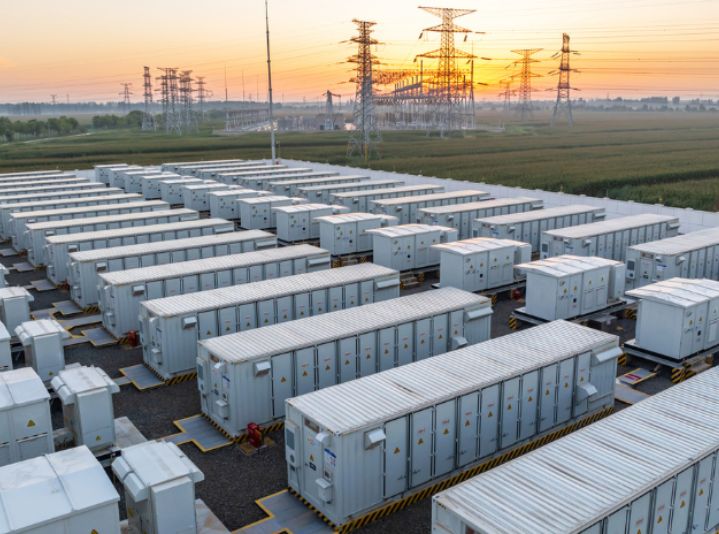
The BCI Energy Storage Systems Initiative (ESSI) advocates for and supports the growing market for grid-connected energy storage systems by engaging federal and state regulators and utility companies to promote investment in battery research, development and deployment. The ESSI is chaired by BCI consultant John Howes, Principal at Redland Energy Group.
The ESSI operates from the perspective that when evaluating stationary energy storage options, federal and state policymakers should take a comprehensive approach that weighs cost, reliability, safety, performance, full life-cycle impacts, recycle rates, and scalability.
Federally funded research into stationary storage technologies should prioritize domestic battery industries, with particular emphasis on those that have an established and comprehensive circular infrastructure already in place. Utilities, meanwhile, should be encouraged to incorporate stationary battery storage system options into their integrated resource planning processes. Finally, BCI supports market-driven policies that create a framework for storage resources to participate in organized wholesale electricity markets, ensuring they are able to compete on a level playing field.
American Battery Research Group (ABRG)
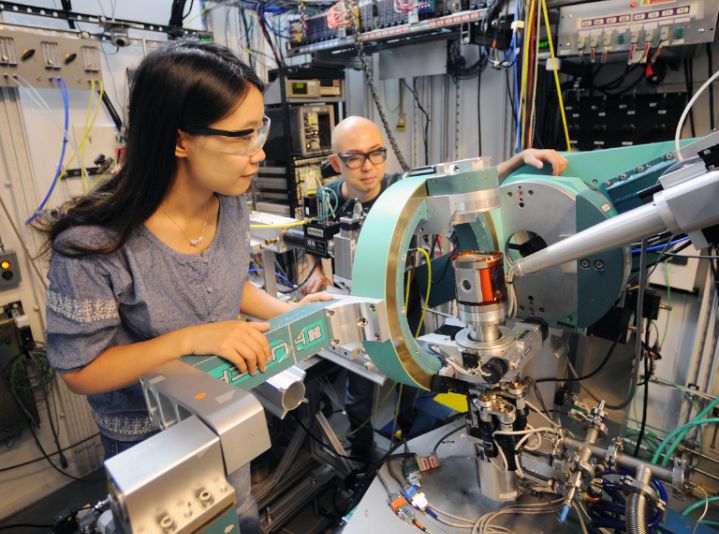
The BCI American Battery Research Group (ABRG) is a collaborative initiative dedicated to advancing battery performance, sustainability, and domestic manufacturing by bringing together industry leaders, researchers, and national laboratories to conduct scientific studies that enhance battery technology, improve recyclability, and strengthen the U.S. supply chain.
Led by Tim Ellis, BCI Technical Director, the ABRG pursues several key areas of focus. The group partners with institutions including Argonne National Laboratory and the University of Toledo to explore new materials, optimize battery lifecycles, and ensure energy storage solutions remain reliable, efficient, and environmentally responsible.
A core element of this work involves examining the molecular structure of lead battery expanders (lignosulfonates) in cooperation with the DOE’s Argonne National Laboratory and the University of Toledo, with financial support from U.S. lead battery manufacturers Clarios, Crown Battery, East Penn Manufacturing, EnerSys, and Stryten Energy.
To advance this research, the ABRG leverages sophisticated tools including high-throughput electrochemical test stations, DFT calculations, and machine learning to identify molecular parameters that enhance battery performance and inform predictive modeling. Collectively, this work supports the industry’s well-established circular economy by investing in research that extends battery lifespan, optimizes material recovery, and advances domestic battery manufacturing toward a more sustainable energy future.
Consortium for Lead Battery Leadership
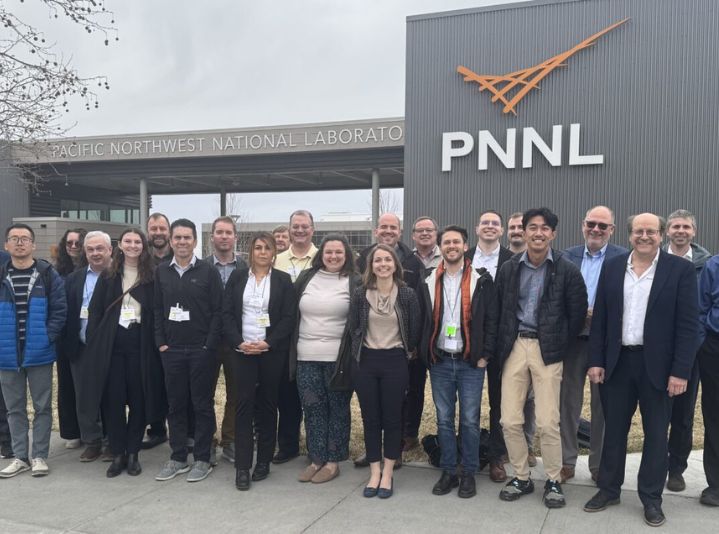
The BCI Consortium for Lead Battery Leadership in Long Duration Energy Storage (LDES) brings together industry leaders and national laboratories to advance lead battery technology for a sustainable, resilient energy future. Supported by a $5 million Department of Energy grant, the Consortium focuses on achieving 10+ hours of storage capacity and reducing costs through research, techno-economic analysis, and material science. The Consortium pursues the following areas of focus:
- Advances lead battery performance and long-duration energy storage solutions through collaboration between BCI, CBI, lead battery manufacturers, and national laboratories, with the goal of improving storage capacity and reducing costs at scale.
- Engages BCI member companies — including Advanced Battery Concepts, C&D/Trojan, Clarios, Crown Battery, East Penn Manufacturing, EnerSys, Gridtential, and Stryten Energy — to drive industry-led innovation in lead battery technology.
- Partners with Argonne National Laboratory, Oak Ridge National Laboratory, and Pacific Northwest National Laboratory to conduct cutting-edge research and techno-economic analysis supporting long-duration energy storage development.
- Contributes to a cleaner, more resilient energy future by enhancing the role of lead batteries in grid storage and demonstrating their viability as a cost-effective, long-duration energy storage solution.


Energy storage is going through a period of significant innovation and evolution. The team at BCI is helping the industry manage through those changes by providing industry forums and market data in a way that benefits all member companies.