How the golf cart boom is growing far beyond the course
As spring unfolds across the U.S., golf is back. Courses are reopening, golf carts are lining fairways, and the highly anticipated Masters Tournament is once again capturing national attention. For millions, this marks the start of golf season. But for the golf cart industry, it’s more significant. While golf is the catalyst, golf carts are no longer confined to the course.
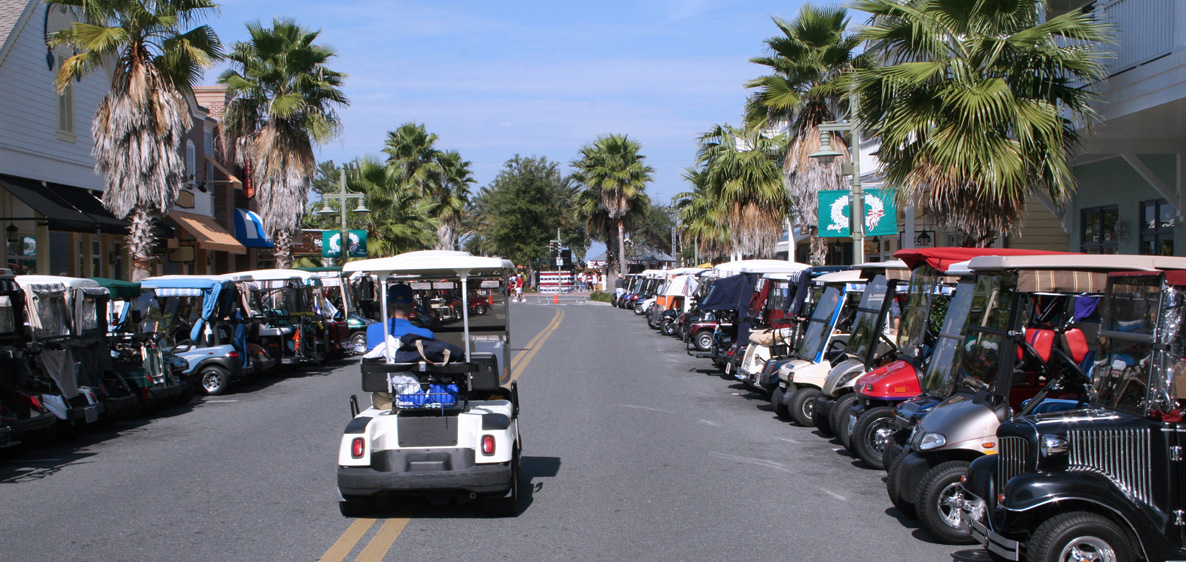
Across neighborhoods, campuses, resorts, stadiums, and master‑planned communities, quiet electric golf carts cruise suburban streets, ferry kids home from school, take neighbors to pools or restaurants, move employees across sprawling campuses, and shuttle guests through resort properties. These vehicles increasingly fall into the broader category of Neighborhood Electric Vehicles (NEVs) or Low‑Speed Vehicles (LSVs)—a fast‑growing segment of the U.S. mobility landscape.
This shift isn’t anecdotal—it’s economic. The global golf cart market was valued at $2.06 billion in 2024 and is projected to grow steadily through the next decade, driven largely by electric carts and expanding off‑course use cases. At the same time, the North American LSV market—which includes street‑legal golf carts and NEVs—was valued at $794.5 million in 2023 and is projected to more than triple by 2032, growing at a 13.8% CAGR, significantly outpacing traditional automotive segments.
At the center of this growth is technology—especially batteries.
Beyond the fairway: How golf carts escaped the course
The expansion beyond golf happened out of necessity. Resorts needed clean, quiet guest shuttles. Universities and corporate campuses needed efficient short‑distance transportation. Airports, hospitals, stadiums, and amusement parks needed safe, low‑speed mobility across large properties.
Then came the neighborhoods. What started in gated and retirement communities spread rapidly across suburbs—especially in states like Florida, California, Arizona, and the Carolinas, where local travel patterns favor short trips and moderate speeds.
Regulatory support accelerated this shift. Under U.S. federal guidelines, LSVs are permitted on roads with posted speed limits of 35 mph or less, provided they meet safety standards—opening the door to widespread neighborhood adoption.
The vehicle built for golfers suddenly found a new purpose: everyday living.
Smarter, sleeker, more capable: The tech transformation
As usage expanded, expectations rose—and golf carts grew up. Modern carts now look and feel far closer to small EVs than course equipment, offering:
- Digital displays and onboard diagnostics
- App‑based access and remote monitoring
- IoT‑enabled fleet management
- Automotive‑style lighting and safety systems
Manufacturers have shifted toward street‑legal configurations and multi‑use designs, driven by residential buyers and commercial fleets alike. Cart personalization has also surged, turning these vehicles into lifestyle products.
The electric takeover: When batteries became the backbone
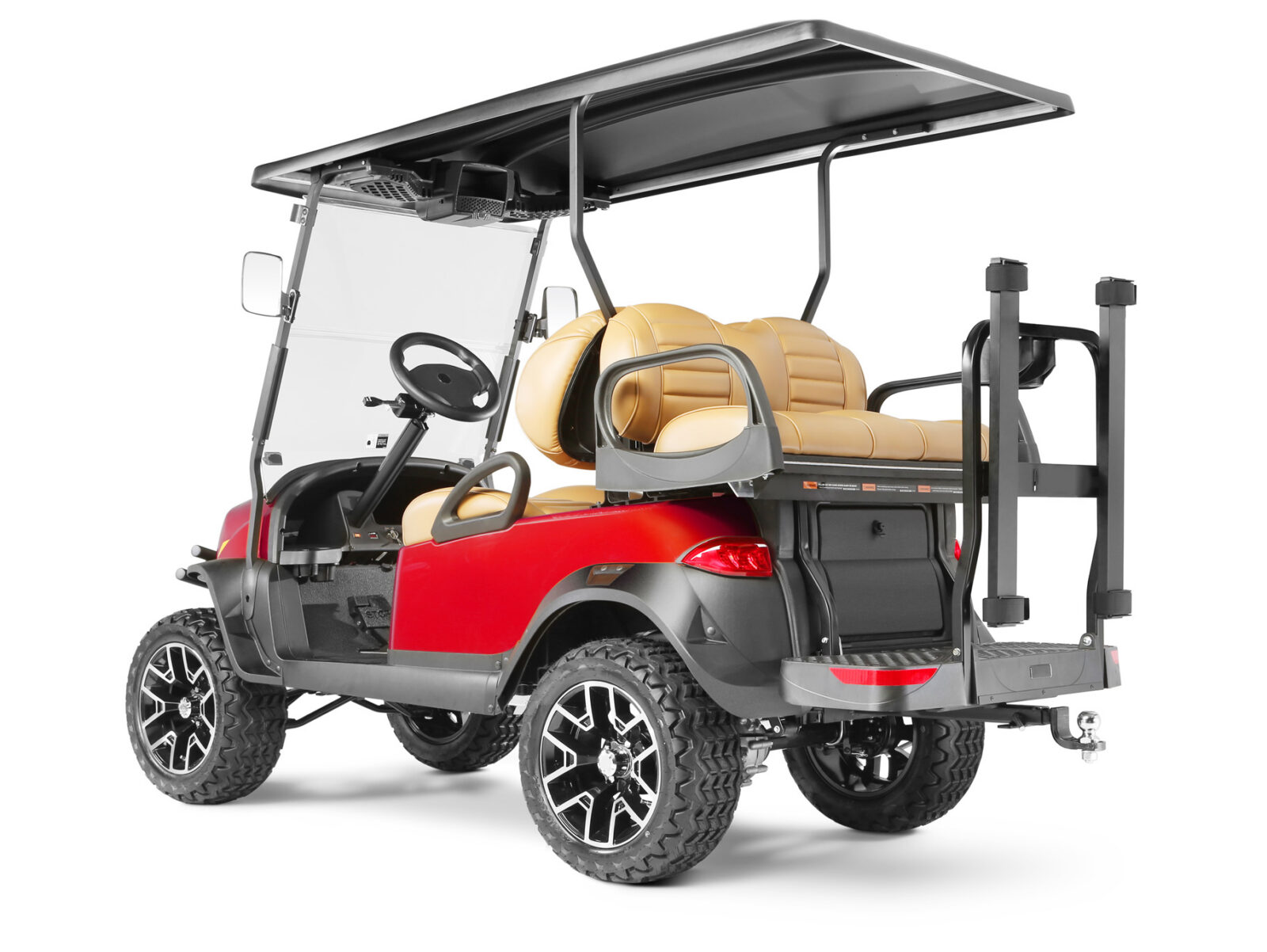
Electric carts now dominate new demand, and batteries are the core enabling technology. Lead batteries remain widely used and lithium battery adoption is accelerating. The global golf cart battery market is projected to grow from $158 million in 2025 to $267 million by 2035, supported by expanding electric cart deployments across residential and commercial settings.
Grand View Research identifies battery innovation as one of the most significant long‑term growth drivers for electric golf carts, directly enabling broader usage beyond traditional golf environments.
A perfect storm—and a bigger future than anyone imagined
Expanded use cases. Rapid electrification. Battery innovation. Regulatory alignment. Seasonal attention from golf’s biggest moments. Together, these forces have turned the golf cart into something far larger than its name suggests.
Autonomous carts are already appearing on campuses. AI‑driven fleet monitoring is improving uptime and efficiency. Municipal zoning increasingly supports low‑speed vehicle corridors. Entire neighborhoods are now being designed with cart‑first mobility in mind.
The golf cart is no longer just a vehicle—it is fundamentally changing short-distance mobility across American communities. With this rapid expansion beyond fairways, next‑generation battery technologies are playing a critical role—powering longer range, enhanced durability, and the reliability needed to support this new era of electric mobility.