How a Lead Battery Is Recycled

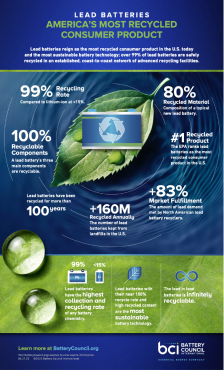
Lead batteries reign as the most recycled consumer product in the U.S. today and the most sustainable battery technology; 99% of lead batteries are safely recycled in an established, coast-to-coast network of advanced recycling facilities. Watch the video below to learn about the safe and innovative battery recycling process. 
The Lead Battery Recycling Process

Through a coast-to-coast network of retail stores, service centers, and distribution locations, spent batteries are collected, sorted, and safely transported to specialized recycling facilities. These facilities operate under strict environmental and safety protocols to protect workers, communities, and the surrounding environment.

At the recycling facility, batteries are carefully broken apart in a hammer mill, separating components while minimizing dust and exposure risks. The broken pieces are then processed in a controlled vat, where lead and other heavy materials settle to the bottom and polypropylene rises to the top. Liquids are safely drawn off, and each material enters its own recycling stream. Throughout the process, rigorous EHS measures—including air and water monitoring, personal protective equipment, and decontamination protocols—ensure that recycling is conducted safely and sustainably.

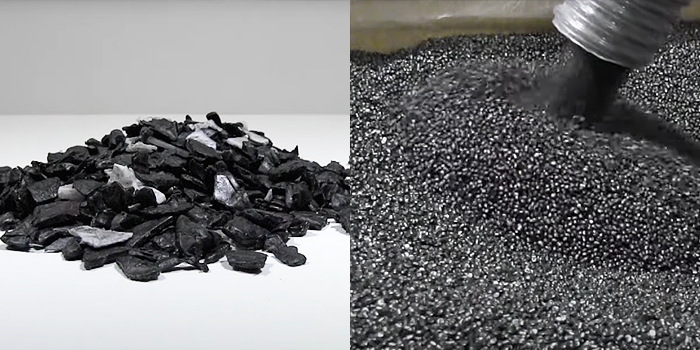
(left) Reclaimed plastic (right) newly formed pellets

Plastic

The polypropylene pieces are washed, blown dry and sent to a plastic recycler where the pieces are melted together into an almost-liquid state. The molten plastic is put through an extruder that produces small plastic pellets of a uniform size. Those pellets are sold to the manufacturer of battery cases and the process begins again.

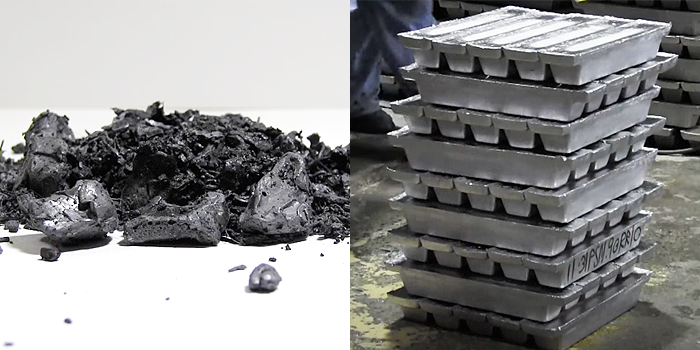
Recycled lead from the lead battery recycling process.
(left) reclaimed lead (right) newly formed lead ingots

Lead

The lead grids, lead oxide and other lead parts are cleaned and melted together in smelting furnaces.

The molten lead is poured into ingot molds. Large ingots, weighing about 2,000 pounds are called hogs. Smaller ingots, weighing 65 pounds, are called pigs. After a few minutes, the impurities, otherwise known as dross, float to the top of the still-molten lead in the ingot molds. The dross is scraped away, and the ingots are left to cool.

When the ingots are cool, they are removed from the molds and sent to battery manufacturers, where they are re-melted and used in the production of new lead plates and other parts for new batteries.

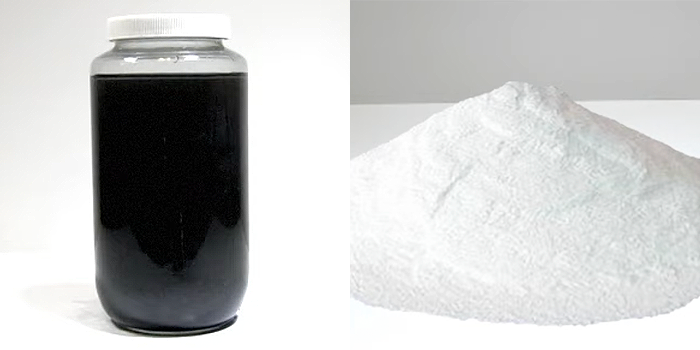
Recycled acid from the lead battery recycling process.
(left) reclaimed acid (right) sodium sulfate

Sulfuric Acid

Used battery acid can be handled in two ways.

  1. The acid is neutralized with an industrial compound similar to household baking soda. This turns the acid into water. The water is treated, cleaned and tested to be sure it meets clean water standards. Then it is released into the public sewer system.
  1. Another way to treat acid is to process it and convert it to sodium sulfate, an odorless white powder that’s used in laundry detergent, glass and textile manufacturing. This takes a material that would be discarded and turns it into a useful product. Acid can also be reclaimed and reused in new battery products through innovative recycling processes.
Employee health and safety training class at a lead battery recycling facility.

Commitment to Employee Health and Safety

The lead battery industry places the highest priority on protecting the health and safety of its workforce. BCI member facilities implement comprehensive programs that combine rigorous safety training, personal protective equipment (PPE), environmental controls, and regular health monitoring to ensure employees can work confidently and safely every day. These measures help prevent workplace injuries, limit exposure to hazardous materials, and maintain a culture of safety throughout the industry.

Ongoing education, safety audits, and engagement initiatives reinforce these programs, keeping employees informed and empowered to take an active role in maintaining a safe workplace.

Related Content

Rebecca Conway

Fueled by a growing and aging car parc and an increase in the number of batteries in vehicles, we are forecasting continued growth for the North America lead battery market.

Rebecca Conway, Vice President of U.S./Canada Aftermarket Marketing, Clarios