AI & Data Centers

Artificial Intelligence (AI) is driving explosive growth in data‑center infrastructure, and these facilities require enormous, always‑on power to support AI workloads. As this demand surges far beyond what the grid was originally built to deliver, advanced battery systems have become critical infrastructure – smoothing power spikes, protecting uptime, and keeping AI operations resilient and cost‑effective.
Batteries Are Essential to the AI & Data Center Surge

AI training and usage create intense power peaks that the current U.S. grid was not designed to handle, driving unprecedented electricity demand from data centers.  Batteries help stabilize this load by storing energy when demand is low and discharging it nearly instantaneously during spikes to maintain uptime and power quality.

This requires two complementary battery stationary energy storage solutions:

  • Uninterruptible Power Supply (UPS)
  • Battery Energy Storage Systems (BESS)

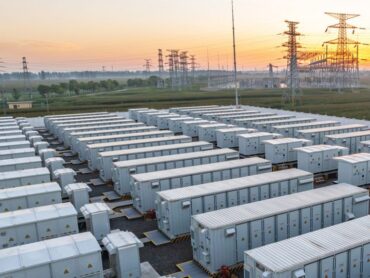
UPS systems deliver immediate, short‑duration backup power, while BESS systems provide longer‑duration support such as peak shaving, frequency regulation, and microgrids.  Together, these battery systems enable data centers to scale AI reliably while strengthening grid resilience and managing energy costs for surrounding communities.

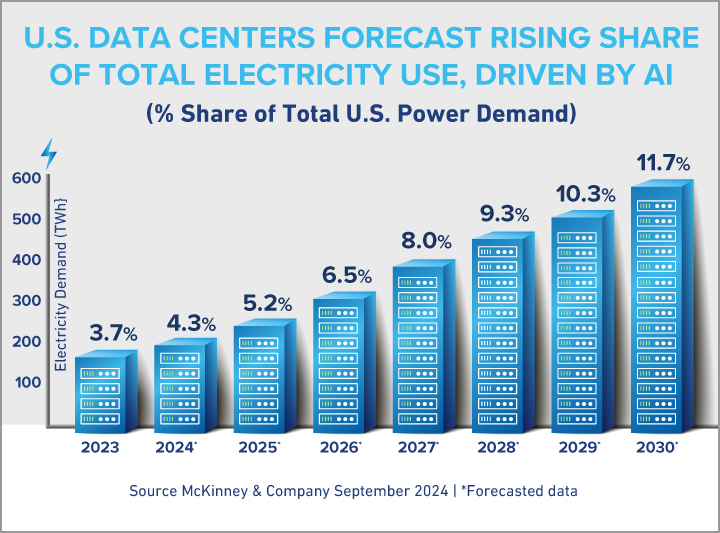
Chart showing US data center demand surge from 2023 to 2030

The Batteries Behind AI and U.S. Data Centers

The rapid growth of AI and hyperscale data centers is driving an unprecedented need for battery energy storage. These facilities require 24/7 uptime and consistent power quality to keep operations running smoothly.

  • U.S. data centers are projected to consume 400–600 TWh of electricity by 2030, representing nearly 12% of total U.S. electricity usage.

UPS keeps mission‑critical AI workloads online during any disturbance, while BESS delivers the longer‑duration capacity the grid needs to balance supply and demand as electrification accelerates.

Even a momentary power disruption can halt AI progressions, interrupt cloud services, and compromise critical digital operations – impacting sectors from healthcare to financial services to national defense.

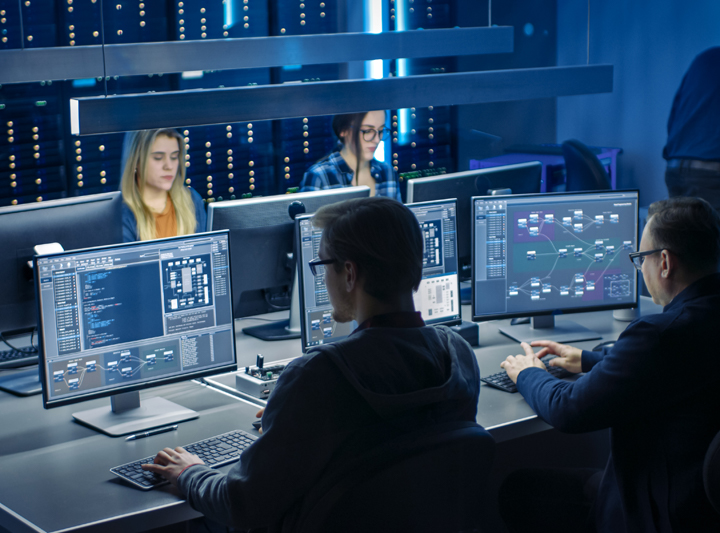
Data center and communication network with employees monitoring critical infrastructure supported by lead batteries.

U.S.-Made Batteries to Power America’s AI Future

As AI drives a dramatic transformation in national electricity demand domestically produced batteries offer a fast, proven, and scalable solution to support this shift.  Batteries help bridge grid‑upgrade delays, smooth load patterns, and deliver instantaneous energy during AI‑driven power spikes, reducing reliance on diesel generators while addressing community concerns around emissions, noise, and water use near data center sites.

With more than 120 years of demonstrated safety, reliability, and domestic manufacturing strength, the American battery industry provides energy storage solutions that are both resilient and independent of foreign adversaries – an essential factor for securing the nation’s battery supply chain.

Today, the U.S. battery industry supports more than 106,000 direct jobs and enables a highly recyclable technology ecosystem in which 99% of spent lead batteries are remanufactured into new products, most at North American facilities that sustain onshore employment.

BCI and its members remain committed to ensuring the U.S. can fully harness the benefits of AI by deploying the best available battery technologies – supporting both rapid innovation and the long‑term safety, affordability, and resilience of the communities hosting America’s expanding data and energy infrastructure.

Dr. Tim Ellis, Technical Director, Battery Council International

We all believe that advanced lead batteries have the technical capabilities to support next generation energy storage facilities, and we’re already working hard to bring that potential into reality.

Dr. Tim Ellis, Technical Director, Battery Council International