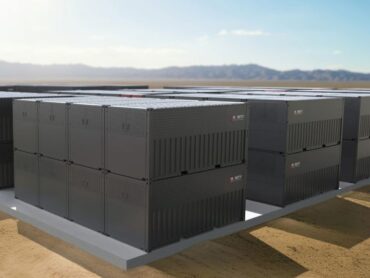
Stationary Energy Storage

Stationary energy storage is critical to supporting a strong energy future – delivering the reliability, resilience, and sustainability our nation depends on. To meet diverse applications and growing demand, a variety of battery chemistries – including lead, flow, lithium, sodium, and zinc – is essential to support the evolving energy landscape.
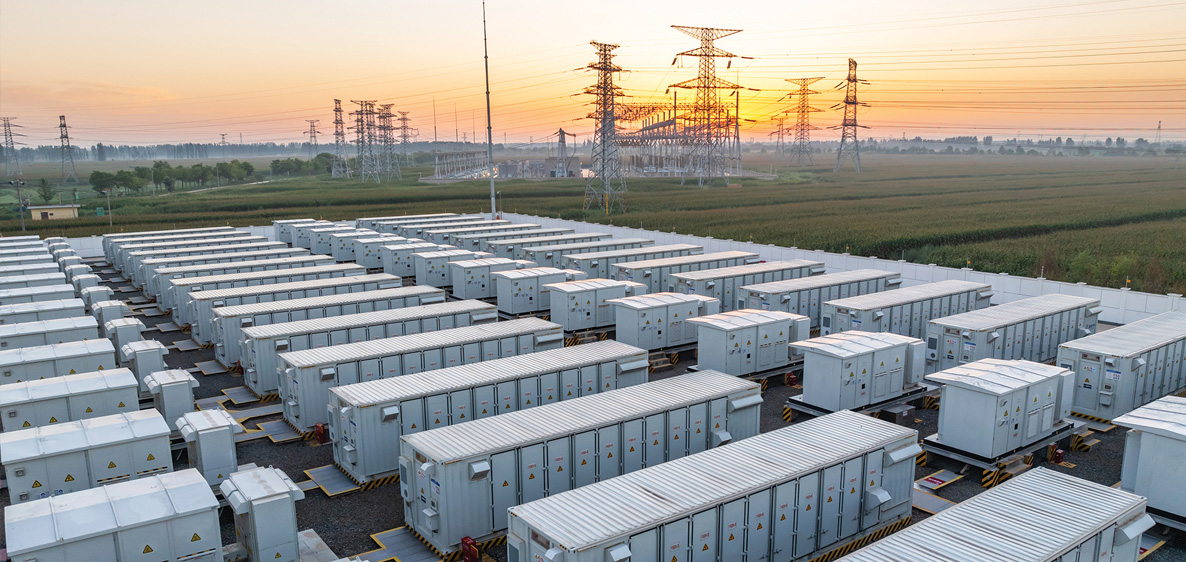
U.S. Stationary Energy Storage is Essential

Stationary energy storage is vital to the United States’ economic stability and infrastructure resilience. Demand from AI and other data-driven technologies is surging, with electricity consumption expected to quadruple between 2023 and 2030. As the nation faces unprecedented power needs, advanced battery technologies deliver the reliability and flexibility needed to balance supply and demand across all sectors.

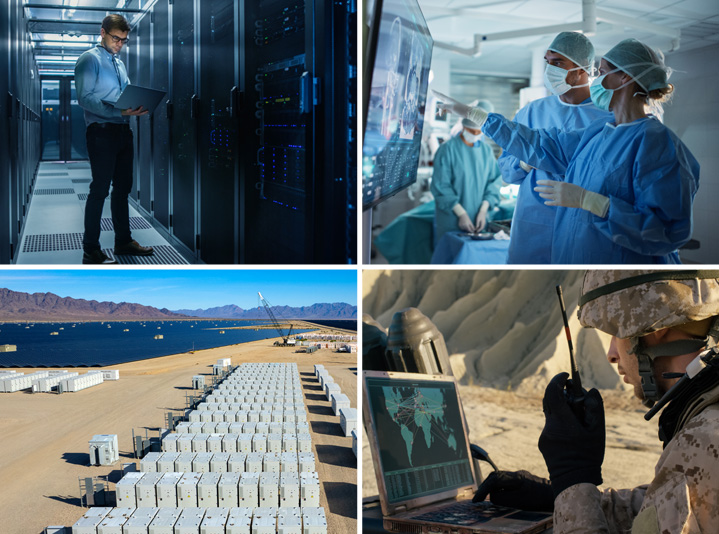
Stationary energy storage used in diverse applications like data centers, hospitals, renewable energy, and supporting our military.

Key Stationary Energy Storage Applications

From artificial intelligence and innovative technology to safeguarding critical operations and enhancing everyday convenience, batteries deliver dependable power where and when it’s needed most. Here are the key industries and applications where stationary energy storage plays a vital role:

  • Data Centers: uninterruptible power supply (UPS), load management, energy redundancy, and sustainable operations
  • Grid Applications: peak shaving, frequency regulations, load shifting, backup power, and microgrids
  • Telecommunications: cell towers and base stations, remote installations, and network operations centers
  • Emergency Systems: hospitals and healthcare facilities, disaster response units, and public safety infrastructure
  • Industrial and Manufacturing: process continuity, peak demand management, and safety systems
  • Commercial Buildings: energy cost optimization, backup for critical systems, and green building certifications
  • Residential Use: home energy storage and smart home integration
  • Remote and Off-Grid: reliable power where grid access is limited and mobile installations for events, construction sites and disaster relief
  • Aerospace and Defense: portable power and tactical systems, spacecraft, satellites, and military bases
  • Agriculture: irrigation systems and cold storage
  • Renewable Energy Integration: solar and wind power, and grid stabilization
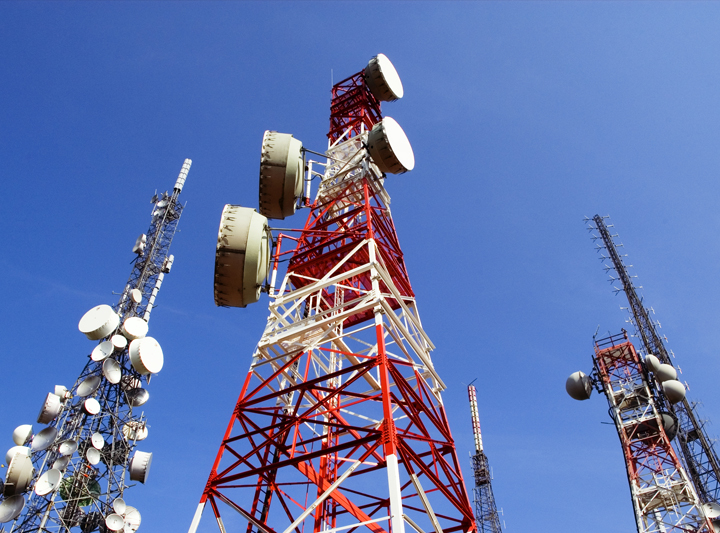
A low-angle view of multiple telecommunications towers.

Stationary Storage Solutions: UPS and BESS

Two battery-based stationary energy storage solutions are helping meet the nation’s growing energy demand demand:

  • Uninterruptible Power Systems (UPS) deliver immediate, short-term backup power to critical systems such as data centers, telecom networks, and emergency services. Even a brief outage could disrupt AI training cycles, cloud services and essential digital operations.
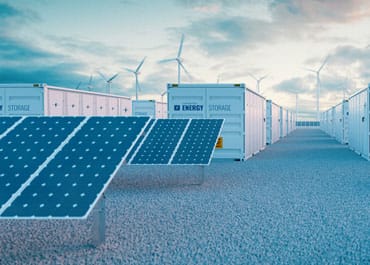
  • Battery Energy Storage Systems (BESS) provide long-duration storage to balance electrical supply and demand, integrate distributed energy resources, and enhance grid resilience. As electrification accelerates and renewable penetration grows, BESS ensure the grid can manage variability and maintain stability, from manufacturing facilities to military bases.

Together, UPS and BESS form the backbone of a secure, modern energy system. Data center electricity consumption is expected to quadruple by 2030 due to explosive growth in AI and cloud computing, rising from under 200 TWh in 2023 to as much as 600 TWh.

At the same time, BESS deployment is scaling rapidly, with the global market projected to more than double by 2030 and installed capacity expanding from 200 GWh to 1,200 GWh. This growth is essential, as a single hyperscale data center can require up to 1 GW of power to operate.

Current Battery Technology and Infrastructure

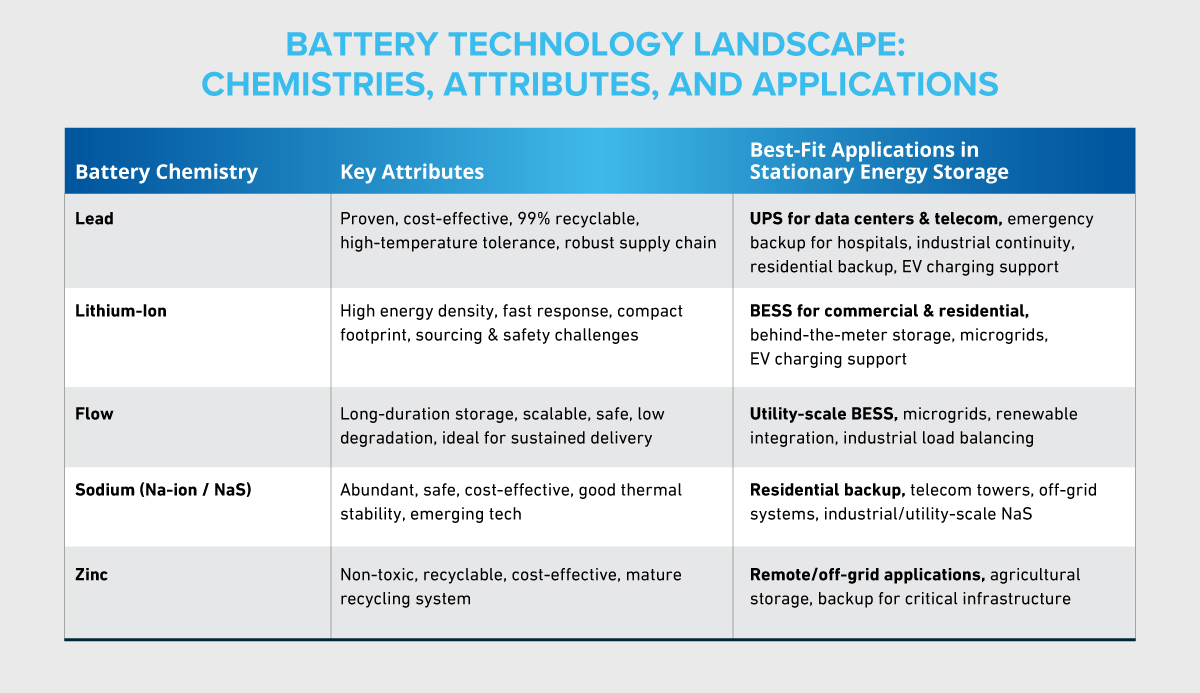
Today’s battery technology landscape is rapidly evolving, with advancements across multiple chemistries including: lead, flow, lithium, sodium, and zinc. Each technology serving unique roles in meeting energy demands. Domestic manufacturing capacity is expanding, while grid upgrades and AI-driven optimization are transforming how storage systems are deployed and managed. Together, these developments create a more resilient stationary energy storage infrastructure.

battery technology landscape
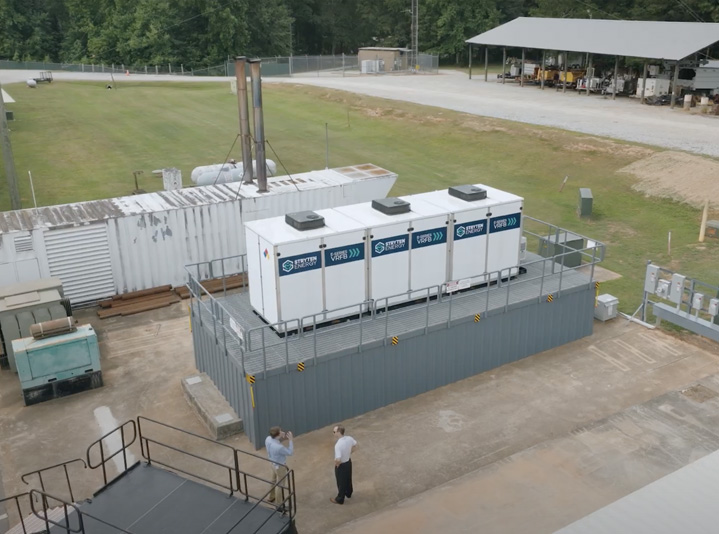
Stryten Energy case study on lead battery energy storage.
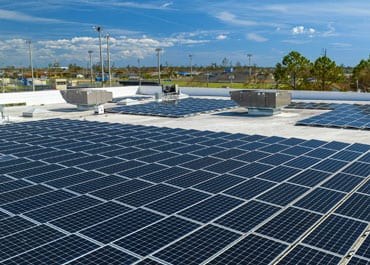
A lead BESS from Stryten Energy has helped the VICARS Community Center in Atlanta achieve energy resilience.

Lead Battery Energy Storage Systems

Lead batteries are a proven, safe, and cost-effective solution for energy storage – backed by a strong domestic supply chain and a closed-loop recycling model. With a 99% recycling rate, they are one of the most sustainable technologies available and forecasts show lead battery sales for stationary storage include a compound annual growth rate of 2.8% through 2027. Recent innovations, including advanced battery management system (BMS) algorithms, have delivered 50–100% increases in throughput, further enhancing performance. Once installed, lead batteries can cost as little as one-third of comparable storage technologies, making them a reliable and economical choice for stationary applications.

CASE STUDY: Lead BESS technology supports critical neighborhood needs

The VICARS Community Center in Atlanta has strengthened its energy resilience with a lead BESS from Stryten Energy, paired with a solar installation to provide reliable power during outages and severe weather. Developed by Groundswell in collaboration with the Community Church, the hub builds on the National Renewable Energy Laboratory’s (NREL) Breaking Barriers project to address the neighborhood’s critical needs. By efficiently capturing and storing renewable energy, this community resilience hub provides a vital safety net, demonstrating how lead and lithium-ion BESS technologies support grid stability and reliable power in underserved areas.

CASE STUDY: Lead UPS power backup supports mission-critical operations

A global data center partnered with C&D Technologies to implement a custom UPS power backup solution that would reliably support its mission-critical operations. By combining C&D’s XT-Series flooded batteries with Pure Lead Max units, the team engineered a flexible, high-performance configuration that met the data center’s exact technical specifications. The results: continuous power protection, reduced risk of downtime, and strengthened confidence in long-term operational resilience.

Sumitomo redox flow battery case study
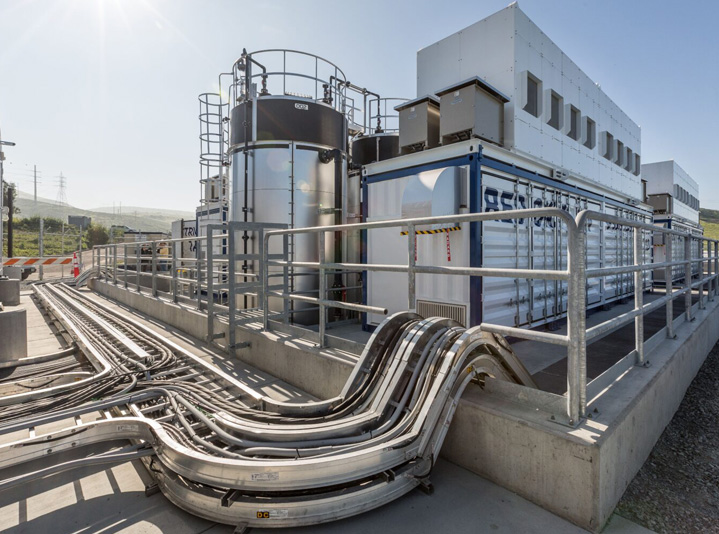
A redox flow battery installation at an SDG&E facility. Photo credit: SDG&E

Flow Battery Energy Storage Systems

Flow batteries offer a safe, non-flammable alternative for energy storage, using liquid electrolytes that can also assist with heat management. Known for providing long-duration storage of 4–12+ hours, they deliver exceptional durability and stability over time. With advantages including scalability, long cycle life, inherent safety, and recyclability, flow batteries are an increasingly important option for applications that require reliable, sustained energy delivery.

CASE STUDY: Vanadium redox flow battery system with 99% uptime

Sumitomo Electric’s 2 MW / 8 MWh vanadium redox flow battery, deployed in California at San Diego Gas & Electric’s (SDG&E) Bonita facility, achieved a 99% operating rate in its final year of testing. The system demonstrated its capability to provide grid services and support a microgrid serving 66 residential and commercial customers for approximately five hours. With an expected capacity retention of over 90% for 20 years, this project underscores the viability of long-duration energy storage for grid stability and resilience.

CASE STUDY:  Scalable, long-duration flow battery technology 

Prometheus Hyperscale and XL Batteries are partnering to pilot a first-of-its-kind organic flow battery deployment at a U.S. data center in Wyoming. This flow battery technology stores positive and negative electrolytes in saltwater instead of relying on lithium, making it a scalable, long-duration, and eco-friendly alternative. Planned to launch in 2027 and expand through 2029, the project addresses the skyrocketing energy needs of AI and data infrastructure while avoiding the geopolitical and environmental risks associated with overseas lithium mining.

Bren-Tronics lithium-ion portable energy storage
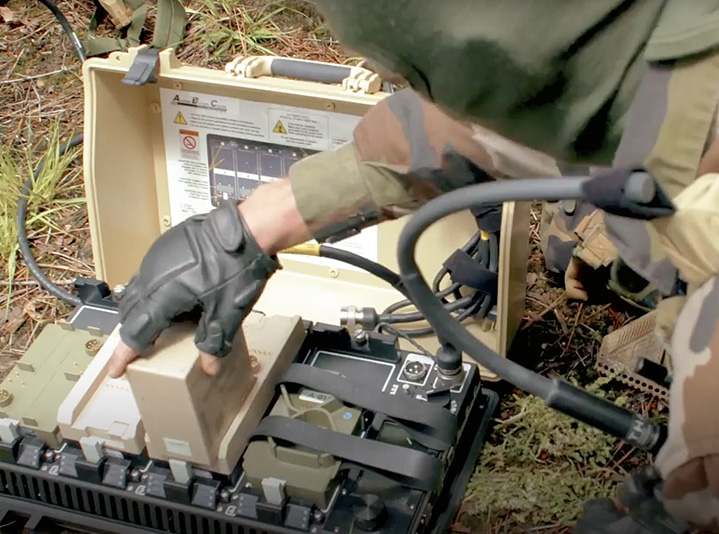
Bren-Tronics has become a leading manufacturer of portable power systems and accessories for military and DOD applications.

Lithium-ion Battery Storage Systems

Lithium-ion batteries are the most widely deployed energy storage technology, valued for their high energy density, scalability, and efficiency. They deliver fast response times, making them ideal for both utility-scale projects and behind-the-meter applications. However, challenges remain, including risks of thermal runaway, limited recycling infrastructure, and reliance on imported critical minerals. Despite these hurdles, lithium-ion continues to dominate the market as a flexible and effective solution for modern energy storage needs.

CASE STUDY: Portable lithium-ion power for the modern mission

Bren-Tronics, an EnerSys company, has supplied advanced rechargeable batteries to the U.S. military for decades, with recent innovations focused on reshaping the battlefield energy strategy. Designed to be lightweight yet durable, these batteries extend mission duration for unmanned aerial vehicles (UAVs) while also supporting their ground control systems. Bren-Tronics’ portable power technology enables vehicles equipped with these batteries to function as mobile charging stations in the field. This capability allows unmanned assets to recharge other critical equipment and handheld control systems, enhancing mission flexibility and reducing dependence on fixed power infrastructure.

PNNL launches Sodium-ion Alliance for Grid Energy Storage (SAGES)

Sodium Battery Energy Storage Systems

Sodium-based batteries are an emerging class of energy storage technologies with strong potential for cost reduction and improved safety. Unlike lithium, sodium is abundant and widely available, making it a promising option for large-scale deployment. Sodium-ion batteries are still scaling, with particular potential for residential and distributed storage markets. Sodium-sulfur (NaS) batteries, on the other hand, are well-suited for utility and industrial-scale applications, offering high energy density and long cycle life. While NaS systems require high operating temperatures, they remain a proven solution for long-duration, grid-level energy storage.

CASE STUDY: Sodium-ion offers a scalable solution for grid storage

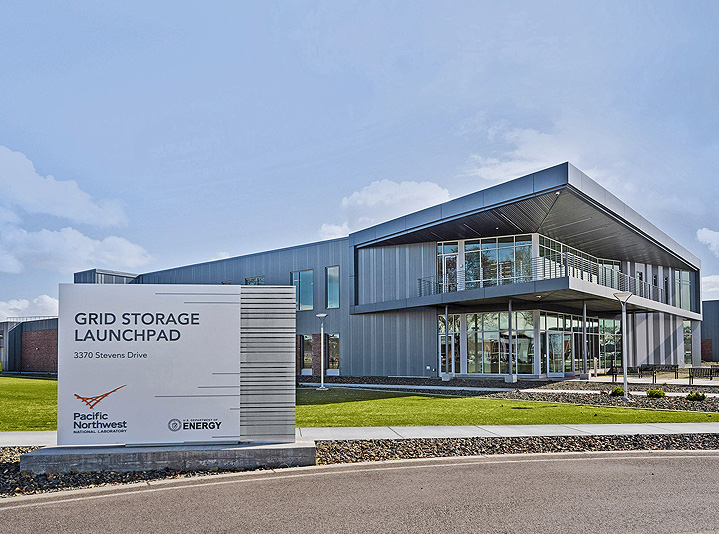
Sodium-ion batteries are emerging as a promising alternative to lithium-ion technology for large-scale energy storage. Backed by the Department of Energy’s Office of Electricity and led by Pacific Northwest National Laboratory, the newly launched Sodium-ion Alliance for Grid Energy Storage (SAGES) brings together national labs, universities, and industry partners to accelerate commercialization of this technology.

Venkat Srinivasan from the Argonne Collaborative Center

The lead acid battery ... is legendary. We can recycle 95+ percent of [these] batteries all across the world. It's a very safe chemistry, ... [and] we understand how to use it very, very well.

Dr. Venkat Srinivasan, Director, Argonne Collaborative Center for Energy Storage Science