About Sodium Batteries

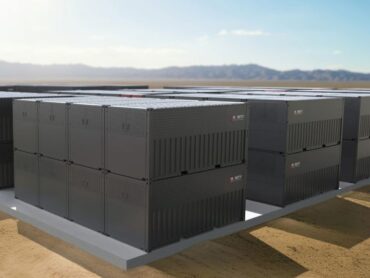
Sodium‑ion battery technology is a unique solution to the energy storage needs of the future – with particular appeal in stationary storage applications. Functioning similarly to lithium‑ion battery systems but using a much more abundant element, these batteries have the potential to be produced cheaper and with more reliable supply chains.
What is a Sodium Battery?

A sodium battery — more precisely called a sodium-ion battery — is a rechargeable battery that stores and releases energy using sodium ions. If you’ve heard of lithium-ion batteries (the kind in your phone or electric car), sodium-ion batteries work in almost exactly the same way.

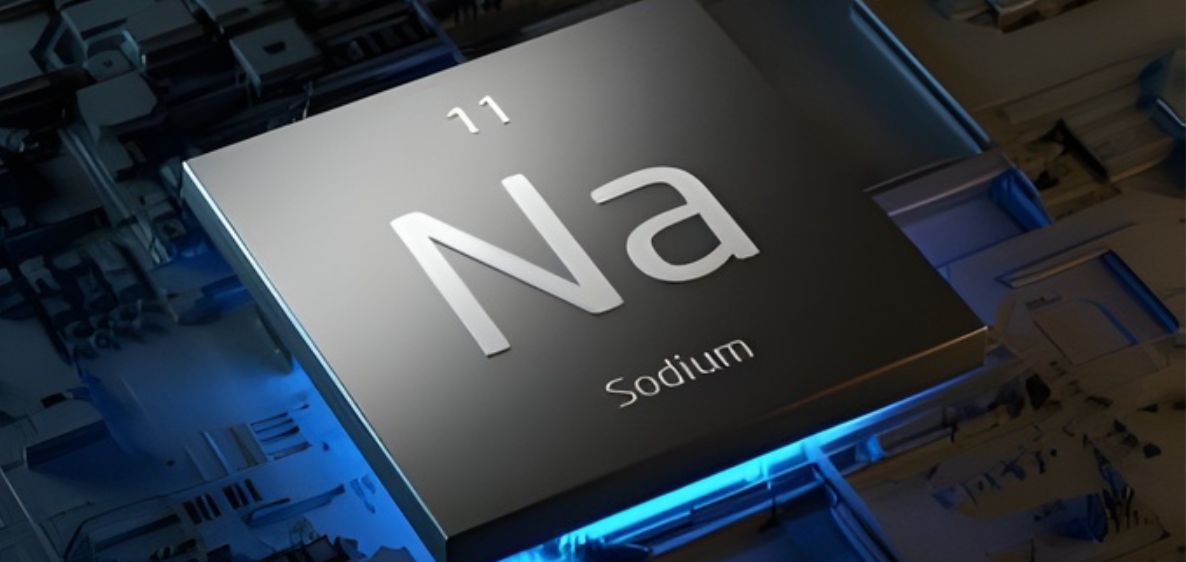
The big difference? Instead of using lithium, they use sodium — the same element that makes up table salt.

Sodium makes up about 2.3% of the earth’s crust and is found in seawater, salt flats, and minerals worldwide. Lithium, by contrast, is much rarer and found mainly in a handful of countries. That abundance is one of sodium’s biggest selling points, and part of the potential for this battery chemistry to provide reliable and accessible power for various applications.

Sodium-ion batteries are not quite as widely available or commercially successful as other energy storage technologies, but they are growing and maturing rapidly. These batteries are particularly useful for stationary energy storage such as grid storage for renewable energy, backup power systems, and cost-sensitive electric mobility like short-range electric vehicles, e-bikes, and scooters where lower cost and good cycle life matter more than maximum energy density.

How Do Sodium Batteries Work?

Generally, batteries are made of three key parts: a positive electrode (cathode), a negative electrode (anode), and an electrolyte in between that allows ions travel back and forth.

When you charge a sodium battery, sodium ions move from the cathode through the electrolyte and get stored in the anode. When you use the battery, or discharge it, those ions flow back to the cathode.

The anode in most sodium batteries is made of hard carbon — a specialized, sponge-like form of carbon that’s very good at soaking up sodium ions and holding them in place between charges.

Stock-sodium

Comparison of Sodium-ion & Lithium-ion Batteries

Sodium and lithium batteries have a lot in common, but there are important trade-offs:

Sodium-Ion Advantages

  • Sodium is cheap and plentiful
  • Works better in extreme cold
  • Can be safely shipped and fully discharged
  • Less risk of overheating
  • No need for cobalt or nickel and foreign supply chains

Lithium-Ion Advantages

  • Stores more energy per pound
  • More mature and familiar technology
  • More charging options available and wider product support

A lower energy density in sodium batteries is not a sign that the technology isn’t viable as an alternative battery chemistry.

In fact, the higher energy density of lithium batteries comes with the widely understood risk of thermal runaway. So while sodium batteries may store roughly 30–40% less energy than a comparable lithium battery of the same size, it is generally safer to ship and store.

Admittedly, you won’t see sodium batteries powering long-range electric cars anytime soon. But for many uses, they are an appropriate if not ideal source of power.

Sodium Battery Applications

Sodium batteries have some genuine safety advantages thanks to comparatively lower energy density, which means they can fill an important niche in applications where temperatures are more extreme.

Another practical safety bonus is that sodium batteries can be fully discharged to zero volts, which removes a major hazard during transport. Lithium batteries can’t do this safely. Not only are sodium batteries easier to store and ship because of this feature, they also may be more appropriate for uses where a battery risks 100% discharge during its use.

Generally, sodium batteries are best suited for situations where compact size matters less than cost and reliability.

The current leading application of sodium-ion batteries include:

  • Grid resilience and related energy storage
  • Telecom towers & data centers
  • Warehouse forklifts & robotics
  • Small or low-speed electric vehicles
  • Cold storage and refrigerated logistics

Grid storage is perhaps the biggest opportunity for sodium batteries. From supporting the intermittent generation from solar and wind power or leveling the loads on power grids to manage costs and stress on infrastructure, the world is increasingly reliant on large battery installations. Sodium batteries are a strong candidate here because cost matters more than weight at that scale, and it is readily abundant. And unlike lithium batteries, sodium batteries used for the grid don’t draw from the limited supply or materials that are in demand from other applications like EVs, laptops, or smartphones.

Sodium Battery Industry Group

How Big is the Sodium Battery Industry?

Sodium batteries are a young but fast-growing technology. The global market was worth roughly $950 million in 2024 and is projected to grow to nearly $29 billion by 2034. Right now, more than 95% of production is in China, but interest is growing in the United States and Europe as well.

Manufacturing capacity is ramping up quickly. Industry forecasts suggest the world could produce hundreds of gigawatt-hours of sodium batteries per year by 2030 — enough to power millions of homes’ worth of storage.

A few challenges remain, however.

First, the energy density gap with lithium hasn’t fully closed. Researchers are working to push sodium battery innovation forward, but there is admittedly still work to go.

Secondly, sodium batteries are still being priced higher than they should be because production volumes are low. Costs can fall significantly as factories scale up, but without a robust marketplace it is hard for companies to confidently invest in that capacity yet.

Battery Council International believes strongly that every battery chemistry has a place in the modern energy storage landscape, and supports continued growth and innovation in sodium batteries through its Sodium Battery Industry Group (SBIG). Chaired by Shawn Peng, CEO of QuantumShield Technologies, the SBIG was formed in 2026 with the goal of fostering innovation, commercialization, and collaboration in this unique technology.

Rebecca Conway

Fueled by a growing and aging car parc and an increase in the number of batteries in vehicles, we are forecasting continued growth for the North America lead battery market.

Rebecca Conway, Vice President of U.S./Canada Aftermarket Marketing, Clarios