America faces growing demand for critical minerals to build batteries even as it relies on imports to meet this manufacturing need. According to the Mineral Commodity Summaries 2026 report by the U.S. Geological Survey, the U.S. currently relies on imports for more than half of nationwide lithium demand and more than two-thirds of the rare-earth compounds required by the domestic economy.
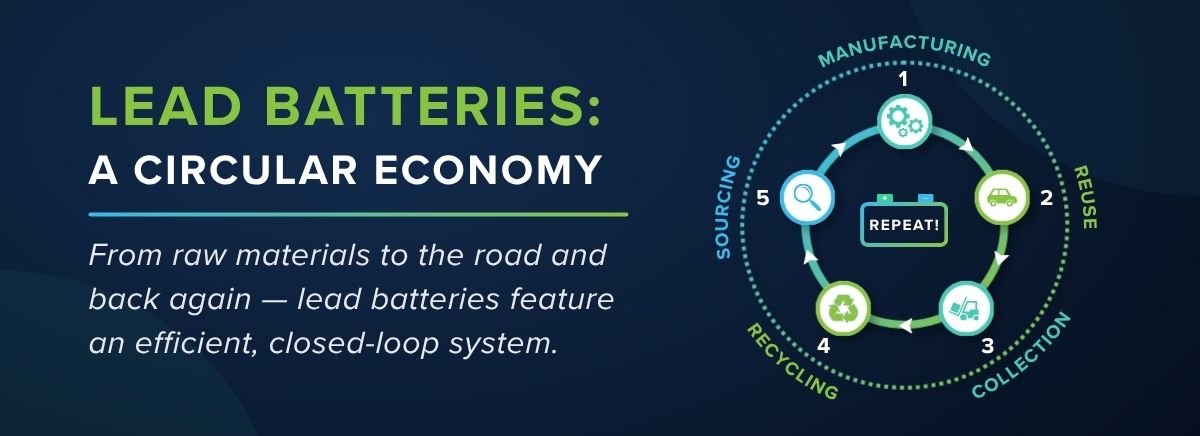
Fortunately, the lead battery industry has been proven to operate one of the nation’s most successful critical mineral recovery systems. This important circular economy for battery materials is a model for other battery chemistries and is a strategic asset worth protecting.
According to a new U.S. Recycling Rate Study, 98% of available spent lead batteries in the U.S. are recycled safely and responsibly at domestic facilities. While that figure is an extraordinary achievement, the study also reveals an important opportunity: ensuring this successful system is protected.
The goal is simple: Every available battery should stay within North America’s recycling system and get turned into new energy storage solutions after the end of its life.
No Margin for Error on Critical Minerals
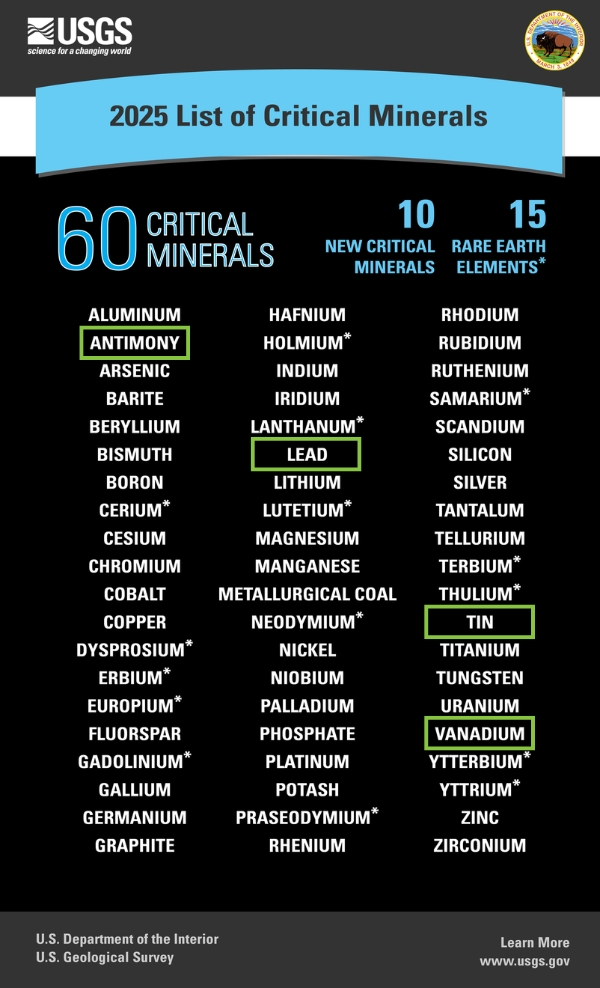
Beyond struggles meeting raw demand, there are some elements that the U.S. simply doesn’t have access to via domestic mining operations. In fact, the United States currently produces only about half of the 60 commodities designated on the U.S. Geological Survey’s Final 2025 List of Critical Minerals.
But while primary mine production may be scarce, there is still a ready supply of some of these materials via recycling operations. Lead, tin and antimony are three critical minerals commonly used in battery manufacturing that are prime examples of this.
That means energy resilience rests upon recycling to ensure a ready supply for manufacturing – and to keep those critical minerals onshore and out of the control of foreign adversaries.
Lead Recycling by the Numbers
Lead battery recycling serves as a shining example of a built-in domestic recovery system for essential materials in the following ways:
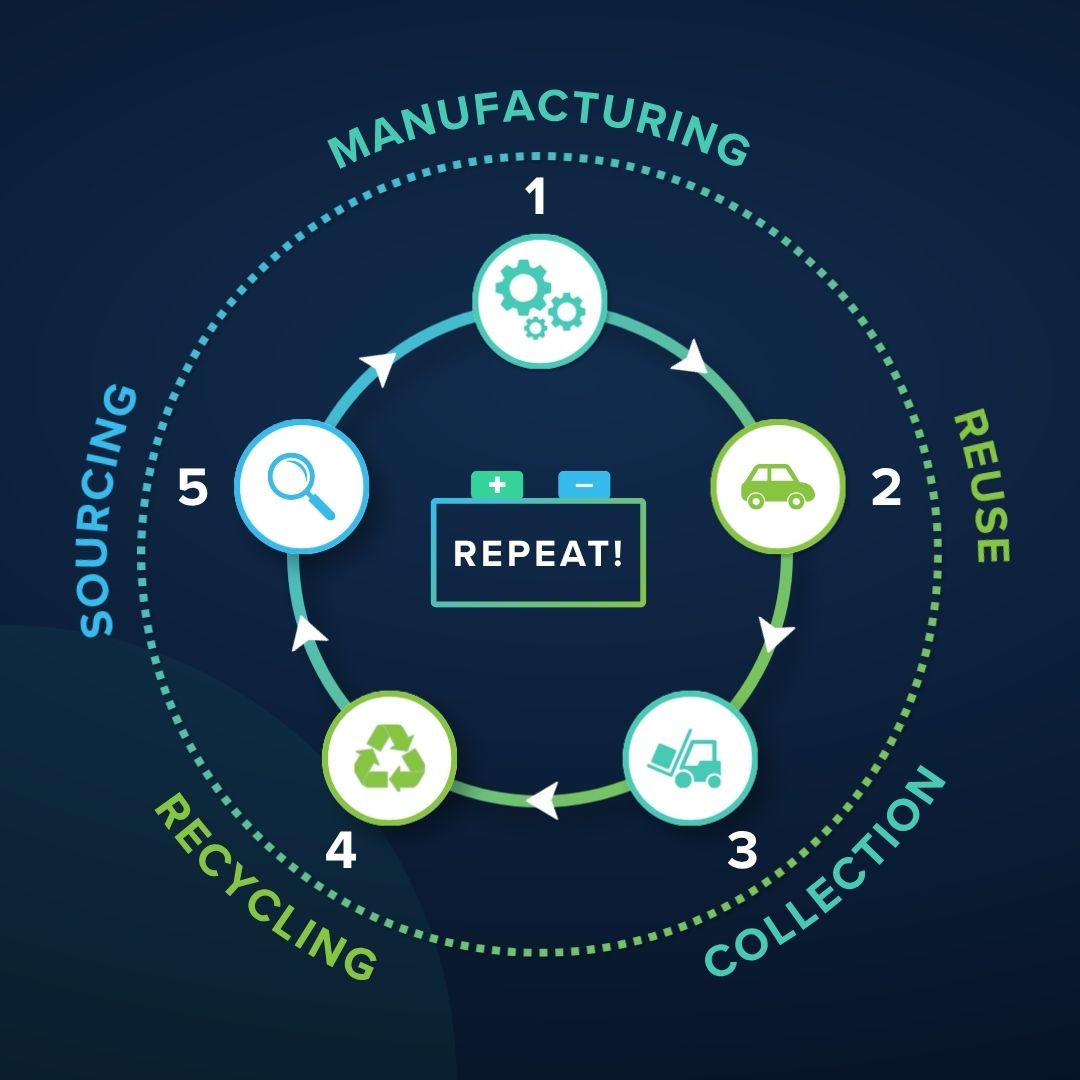
- According to BCI’s U.S. Recycling Rate Study, more than 174 million lead batteries are recycled annually in the United States to provide a reliable source of critical minerals for manufacturers of new batteries.
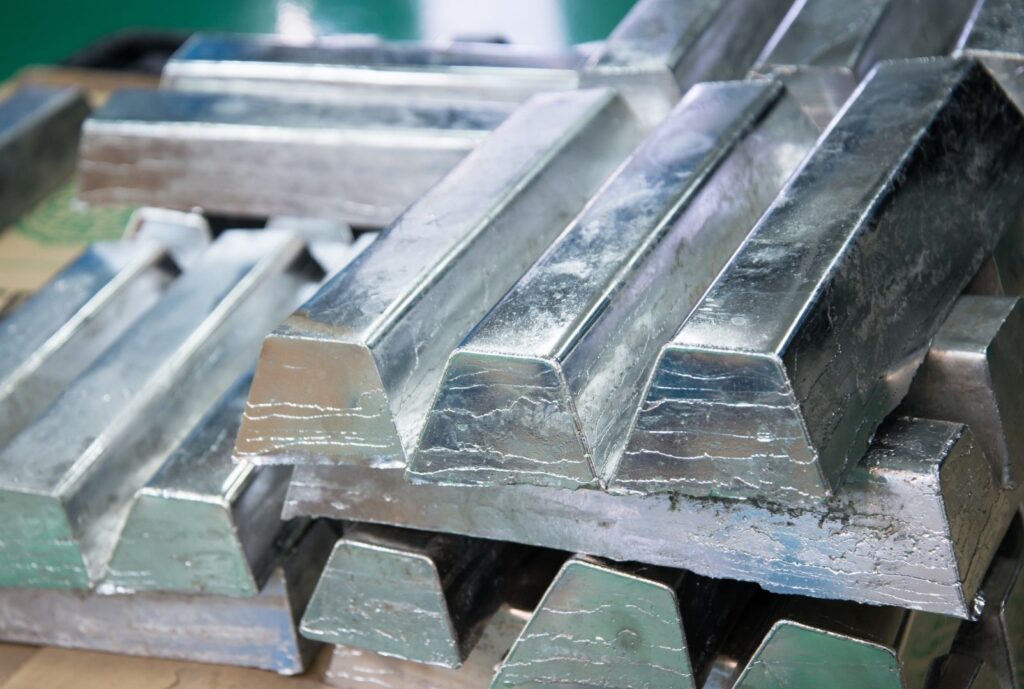
- Over the study period, domestic lead battery recyclers recovered more than 11 billion pounds of lead – one of a number of battery materials the USGS has designated a critical mineral.
- Annually, recycling facilities deliver more than 2.2 billion pounds of lead back into the domestic supply chain to supply approximately 70% of U.S. lead demand.
Thanks to this successful circular economy for lead in North America, used batteries are turned into new ones that power data centers, telecommunications networks, emergency backup systems, forklifts, vehicles, military equipment, and more.
Furthermore, the U.S. lead battery industry is a powerful economic engine that contributes $35 billion in overall economic output and supports 106,000 direct jobs nationwide, according to a report by EBP.
Why This System Must Be Protected
Battery recycling has a direct connection to national security, energy resilience, and manufacturing competitiveness. As a result, it is increasingly important for the public and private sectors across North America to partner on control of battery scrap to ensure continued economic growth. Every ounce of battery material that leaves North America is an ounce that must be imported in an increasingly uncertain global marketplace.
The established lead battery recycling system in North America shows how it should work. Recycled domestic lead isn’t exposed to import tariffs or foreign supply disruption, providing certainty to battery manufacturers that they simply cannot get when sourcing material from overseas. Additionally, there is also certainty that these raw materials have been handled and processed in responsible ways.
A thriving North American recycling network is an accomplishment that the domestic battery industry is proud of. However, an efficient circular economy for lead batteries was not built overnight. It required decades of public-private partnerships, long-term industry commitment to continuous improvement, and a realistic policy framework built on real-world science and commercial concerns.
America cannot take the success of lead battery recycling for granted. Protecting and supporting this onshore system for critical minerals will help ensure that every available battery contributes to a stronger, more resilient and more secure North American supply chain. Those protections should include common-sense permitting reform for facility expansion, as well as incentives such as updates to the 45X Advanced Manufacturing Credits such as those proposed by Rep. Blake Moore (R-UT).
At a time when global supply chains and critical mineral supplies are in focus, the U.S. lead battery recycling industry provides an example of a system that works — and one worth defending.