
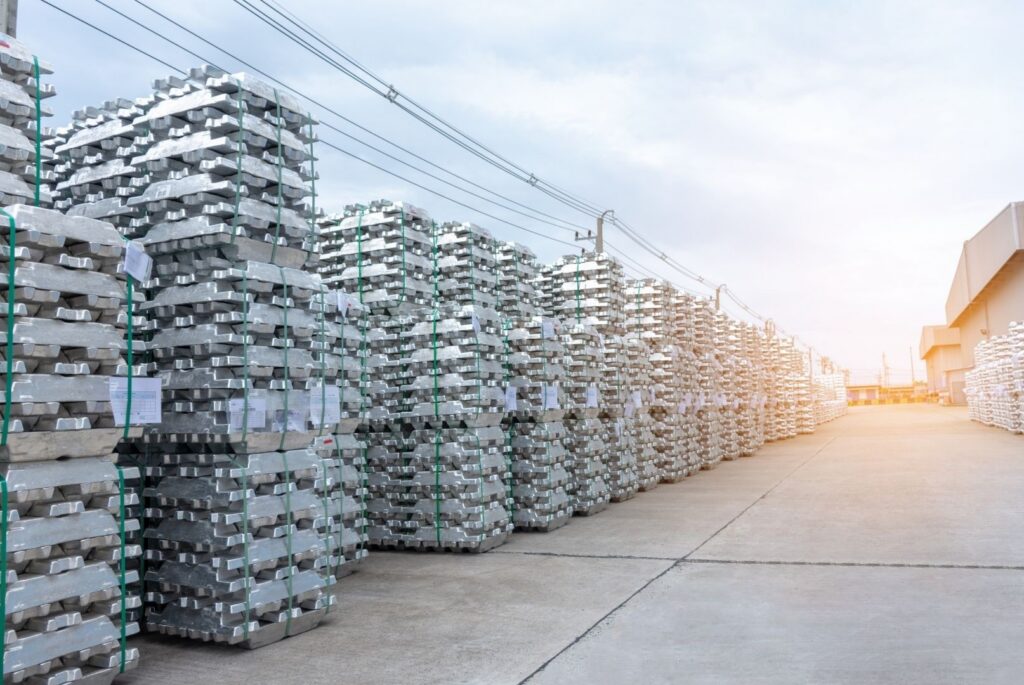
One year ago, the U.S. Geological Survey (USGS) formally designated lead as a critical mineral, recognizing its essential role in the batteries and energy storage systems that power America’s economy, infrastructure and national security. For BCI and our members that have long understood lead’s importance to domestic battery manufacturing, energy resilience and supply chain security, the designation was an overdue recognition of this battery metal’s strategic value.
For decades, lead has been the primary raw material in batteries that start nearly every car and truck on U.S. roads and provide backup power for telecommunications networks, hospitals, emergency response systems, military installations and data centers. The 2025 designation was a meaningful step toward aligning federal critical mineral priorities with the role lead already plays in supporting American manufacturing, energy resilience and secure supply chains.
A Critical Mineral with a Proven Domestic Supply Chain
Lead’s significance extends beyond its applications. Unlike many critical minerals, lead benefits from a well-established North American manufacturing and recycling ecosystem that has been refined over more than a century.
Today, lead batteries remain America’s most recycled consumer product. BCI’s 2026 U.S. Recycling Rate Study found that nearly 98% of spent lead batteries available for collection are recycled, while the long-term recycling rate has averaged 99% since 2000. More than 174 million batteries are recycled annually, supplying roughly 70% of U.S. lead demand and helping keep valuable raw materials within the domestic supply chain. When recyclers in Canada and Mexico are included, the North American system meets more than 83% of regional lead demand.
At a time when supply chain security has become a national priority, this closed-loop system demonstrates how critical minerals can be recovered, reused and returned to manufacturers to drive economic growth while reducing reliance on overseas sources. It also provides a proven model for how critical mineral recovery can strengthen supply chain resilience and support domestic manufacturing capacity.
Recognition Must Be Supported by Ongoing Policies
The critical mineral designation was an important milestone, but designation alone does not ensure supply chain security.
Growing demand for transportation, telecommunications, data centers and backup power will require policies that support domestic manufacturing and critical mineral recovery in the U.S. and among strategic economic partners. Ensuring that battery materials remain available to North American manufacturers is essential to maintaining resilient supply chains and supporting investment in domestic industry.
Federal policies should continue to reflect the strategic importance of critical minerals. One example is the ongoing effort to update the Section 45X Advanced Manufacturing Production Credit to include all USGS-designated critical minerals, including lead. Expanding eligibility would help strengthen domestic supply chains, encourage investment in critical mineral processing and recovery, and support manufacturers that depend on these materials.
Protecting What Works, Preparing for the Future
The lead battery industry already provides a proven critical mineral recovery model. Through an integrated network of manufacturers, retailers, collectors and recyclers, valuable materials are recovered and returned to productive use rather than discarded.
At the same time, recoverable battery materials continue to leave North America through exports. The July 30 Presidential Determination to control exports of recoverable critical minerals such as lead acknowledges the challenges in keeping those materials in North America. Preserving and strengthening domestic recycling and manufacturing networks should remain a priority as policymakers evaluate strategies to secure critical mineral supply chains amid steadily growing battery demand.
One year after lead’s designation as a critical mineral, the industry has an opportunity to build on that recognition with policies that strengthen domestic manufacturing, support critical mineral recovery and protect one of North America’s most successful circular supply chains. Doing so will help ensure manufacturers retain access to the materials needed to meet growing demand for batteries and energy storage technologies.