
Powered by People is a series that highlights the essential workers who support battery manufacturing, recycling, innovation, and logistics. These dedicated employees are the true strength of the battery industry and perform key roles that protect critical mineral supply chains, develop new technologies, and ensure a resilient energy storage industry to power the economy of tomorrow.
The person behind the process
Ask Ray Krantz what he does for a living, and he’ll tell you he manages the loop. As Director of Business Development at Gopher Resource, that means overseeing both sides of the lead battery recycling supply chain – sourcing the spent batteries that come in and marketing the refined critical materials that go back out to manufacturers. It’s a role that keeps him at the center of a system most people never think about, but everyone depends on.
With 14 years in the industry, Krantz has built his career on relationships and long-term thinking. A typical day means connecting with suppliers, aligning forecasts with manufacturers, and solving whatever supply chain challenges land on his desk. “No two days are the same,” he says, “but it always comes back to keeping that loop tight and making sure both sides succeed.”

Away from work, Ray is an outdoorsman – hunting and fishing with his two boys. That life spent close to the natural world has shaped how he thinks about conservation and stewardship, about taking care of resources so they’re still there for the next generation.
For Krantz, protecting the environment isn’t abstract. It’s personal.
How America’s battery supply chain works
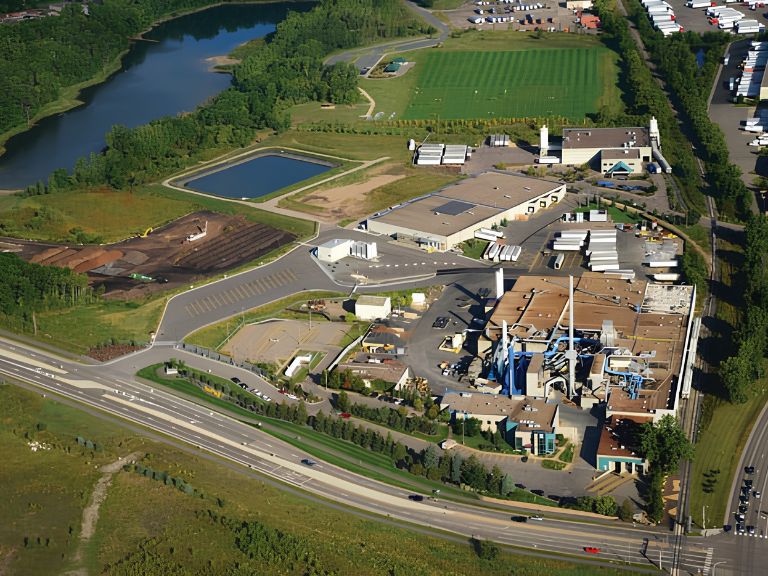
Founded in 1946 and headquartered in Eagan, Minnesota, Gopher Resource is one of the leading lead battery recyclers in North America. With facilities in Minnesota and Florida, the company collects spent lead batteries, recovers the critical minerals inside, and returns those refined materials to battery manufacturers—keeping the supply chain circular, domestic, and strong. On any given day, millions of Americans turn a key, flip a switch, or rely on backup power without a second thought about what makes it all possible.
“My role is really about managing the flow,” he explains. “From bringing in the spent lead batteries—our raw material—to making sure the finished material gets back out to customers and keeping that loop intact.”
That flow has two sides, with many partners who supply used batteries also buying refined materials to support manufacturing. On the procurement side, Krantz manages the sourcing of spent batteries and battery scrap that feeds the recycling process. On the sales side, he markets the recovered materials—refined to precise specifications—back to battery manufacturers through long-term supply contracts.
“A lot of my day is spent solving supply chain challenges, aligning forecasts, and keeping everything moving,” he says.
Where the cycle begins — and begins again
Every day, approximately 80 semi-trucks arrive at Gopher Resource facilities carrying spent lead batteries – the and the critical raw materials needed for new U.S. battery production. Krantz oversees the inbound team responsible for bringing those materials into the system, ensuring supply is consistent, relationships with suppliers are strong, and materials are sourced responsibly. But the story doesn’t stop there. Those same trucks don’t leave empty.
Instead, they typically pick up recycled critical materials—refined to precise specifications—and head back out to battery manufacturers, where those materials become new batteries.
“There are essentially no empty miles in the system,” Krantz says. “A truck delivers new batteries, picks up used ones, brings them to us—and then leaves with material that goes right back into making the next generation of batteries.”
It’s a loop that is both efficient and intentional—one that preserves critical minerals, strengthens America’s domestic supply chain, and supports the long-term growth of energy storage here at home.
Turning used batteries into new energy
Inside the facility, spent batteries are transformed into valuable raw materials. The lead that most people think of is just the beginning.
Gopher Resource recycles more than 24 million batteries each year, recovering lead, tin, antimony, plastic, and acid from every unit—with virtually nothing going to waste.
Krantz oversees the outbound side of this process as well, where those recycled materials are carefully refined and delivered back to customers. Each shipment is engineered, not generic.
“We’re not just sending material back—we’re sending specific alloys,” he explains. “Every battery requires a different recipe.”
“It’s like baking a cake,” he adds. “You need the right mix of elements—lead, tin, antimony—depending on what the battery needs to do.”
That full recovery is what makes the system so powerful.
Critical minerals, right here at home
“The lead in the battery in your car today might have been in a battery 10 or 15 times before,” Krantz says. “And when it’s done, it comes back—and we do it all over again.”
That closed-loop system isn’t just efficient—it’s essential. Lead batteries power everyday life, from vehicles to hospitals, data centers, and critical infrastructure, with new batteries made from roughly 80% recycled material. This continuity keeps critical minerals like lead, tin, and antimony in motion domestically, even as much of the world’s raw supply remains outside North America.
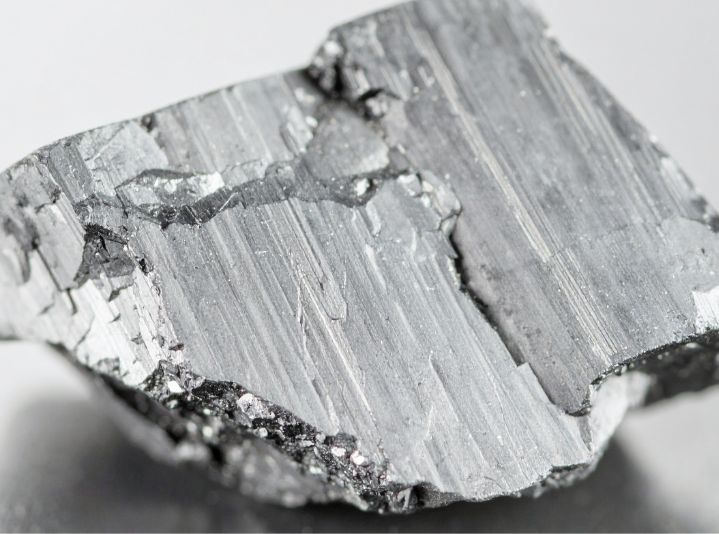
It also strengthens national resilience. By reducing reliance on imports, recycled materials help stabilize the U.S. battery supply chain and protect against global disruptions. “If we want a consistent, reliable supply of these materials in the U.S., recycling is the only way to do it,” Krantz says.
But sustaining this system requires long-term thinking. While exporting materials may offer short-term gains, it weakens the domestic loop that supports jobs, sustainability, and supply security.
“One of the biggest challenges is getting people to look beyond just dollars and cents,” Krantz says. “We have to protect the system—because once you break that chain, it’s hard to rebuild.”
Built for the Future
Looking ahead, Krantz sees an industry in transition—and is energized by it. Battery manufacturers are developing new chemistries and higher-performance products. That innovation requires tighter specifications and closer collaboration between recyclers and manufacturers.
“It’s becoming more complex. But that’s a good thing. That means we’re getting better.”
A new generation of talent is also entering the field, bringing fresh perspectives and a shared commitment to sustainability. Krantz sees that as a sign of strength and industry progress.
Battery recycling may not be something most people think about, but its impact is felt every day; affecting costs, supply chains, environmental safety, and the reliability of systems we all depend on. As Krantz puts it, “We impact everyone, every day—whether people realize it or not.”
For Krantz, that responsibility extends beyond the workplace, serving as a quiet reminder — whether at his desk or out on the lake with his boys. It’s not just about recycling. It’s about keeping critical materials in motion and sustaining a domestic manufacturing system built to last.
“We like to say we were green before green was cool,” he says. “And we’re just getting started.”
Learn more about Gopher Resource operations in BCI’s Essential Energy Tour.