
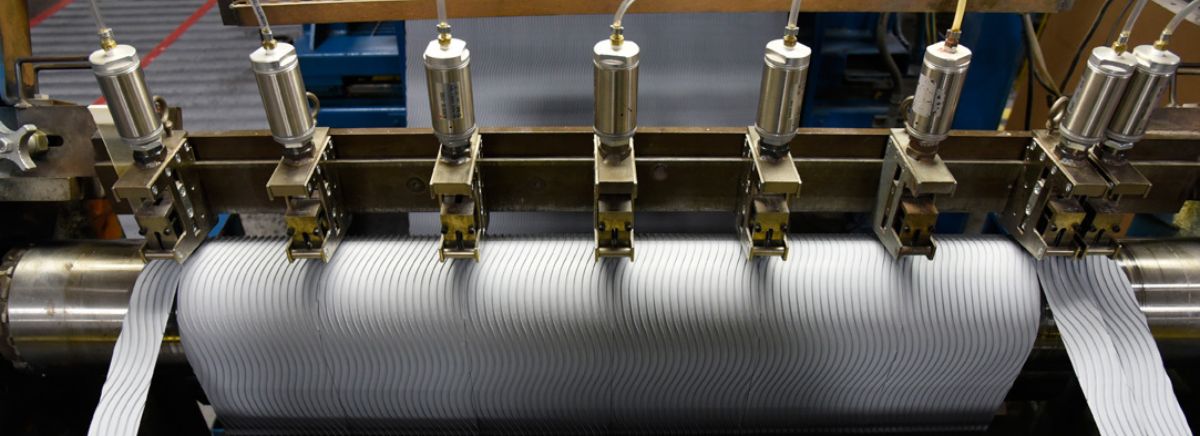
U.S. battery manufacturing companies play a vital role in advancing energy storage solutions that support the economy and national security. While batteries themselves often take the spotlight, one small but critical component deserves attention for its strategic importance within the energy supply chain: the battery separator.
Separators are essential across battery chemistries including lead, lithium, and flow batteries. They are foundational to both safety and performance, and that makes battery separator manufacturers critical parts of the North American battery supply chain.
Growing demand creates risk to domestic supply chains
Demand for battery separators in the U.S. is growing fast. The U.S. battery separator market was valued at approximately $3.1 billion in 2024 and is expected to reach $7.2 billion by 2030, representing a compound annual growth rate of more than 15%. This growth is driven by demand from data centers, aerospace, automotive and industrial logistics applications.
Battery separators are undergoing significant technological advancements to meet the increasing performance demands of various applications. Innovations such as ceramic-coated membranes, composite multilayers, and ultra-thin films are essential for high-stress applications like fast charging, electric vehicles, powering artificial intelligence data centers, and 24/7 telecommunications. These advancements and emerging technologies like high-nickel cathodes and fast-charging cell designs pose new challenges for separators, necessitating enhanced electrochemical stability, high-heat resistance, and mechanical integrity.
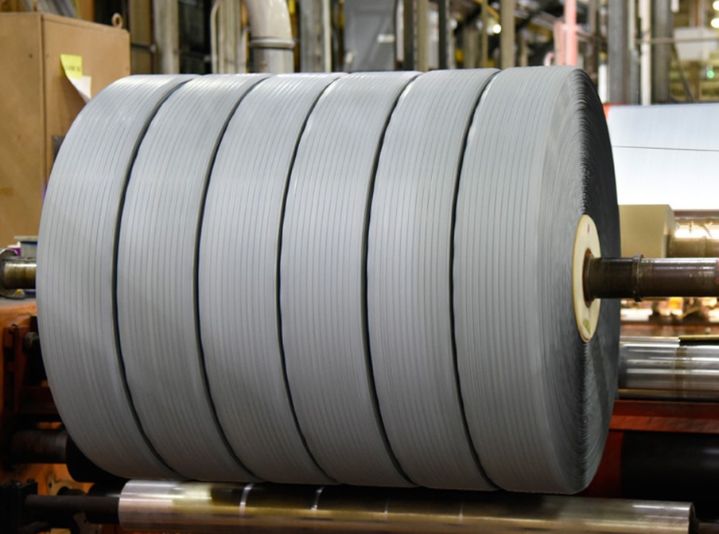
Separator production relies heavily on specialized polymer feedstocks such as ultra-high-molecular-weight polyethylene (PE), polypropylene (PP), and ceramic materials used in coatings. These materials are sourced through global supply chains concentrated in a few regions, particularly China and Southeast Asia.
Geopolitical tensions and logistical bottlenecks can cause delays, shortages, and price volatility, directly impacting U.S. manufacturers’ ability to produce separators consistently and cost-effectively. In 2023, more than 60% of North American battery manufacturers experienced production delays related to supply chain disruptions.
As the battery manufacturing supply chain experiences peak demand and stress from material shortages, domestic component manufacturing becomes increasingly necessary. There is an urgent need for investment and regulatory support to ensure these critical materials remain within the domestic supply chain and accessible for new batteries.
Onshore manufacturing precision, powered by skilled labor
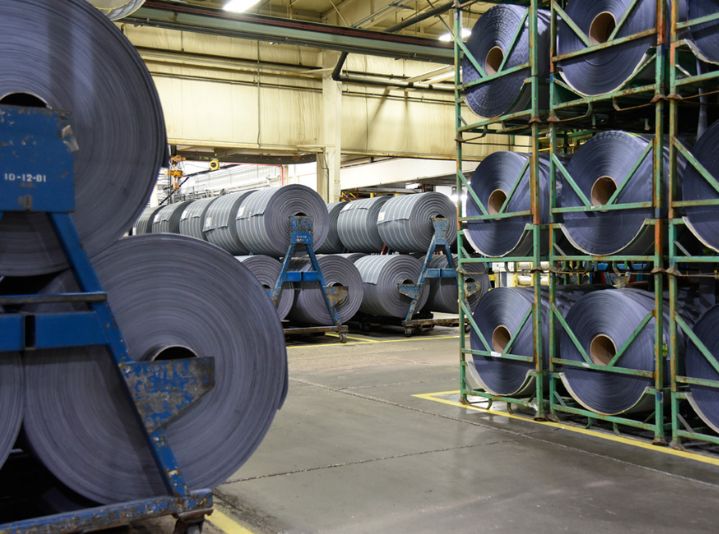
High production costs and technical complexity present significant challenges for battery separator manufacturing. Production depends on high-precision equipment and highly skilled technical labor, as well as rigorous quality and safety standards.
Increasing domestic separator capacity demands more than just building manufacturing plants. The highly specialized manufacturing process necessitates a coordinated approach that involves private-sector investment, government support, workforce development, and ongoing innovation.
ENTEK, provides one example of successful growth and innovation in battery separator manufacturing. A long-standing U.S. manufacturer of battery separator materials, the company is constructing a new large lithium-ion separator production facility in Terre Haute, Indiana, backed by private capital and a $1.2 billion loan from the U.S. DOE illustrating how public-private partnerships can anchor critical manufacturing here in the U.S. This expansion is considered phase 1 of ENTEK’s company-wide expansion plan that will significantly boost domestic production enough to supply separators for millions of EVs annually.
Microporous LLC is another success story. The U.S.-headquartered battery separator manufacturer has more than 80 years of experience in designing and manufacturing lead-acid separators, and recently unveiled a new lithium-ion battery separator coating line at its Piney Flats, Tennessee facility, marking a major step in expanding domestic advanced battery component production. The new line will produce coated wet-process polyethylene (PE) separators and is expected to create nearly 50 new jobs locally while increasing U.S. capacity of mission-critical materials. This development is part of Microporous’ broader growth strategy that includes a larger facility at their Southern Virginia Megasite that will create thousands more jobs and supply high-volume capacity for EVs and stationary storage.
Without sufficient domestic capacity, the U.S. risks continued reliance on foreign suppliers. However, recent growth and innovation by ENTEK, Microporous and other BCI members is a sign that North American battery manufacturing is on the path to success – and with them, end-users in transportation, industrial and defense markets that depend on reliable energy storage.